If You Are in Crisis
If you or someone you know may be in immediate danger, call 911. Veterans and service members can contact the Veterans Crisis Line by dialing 988 and pressing 1, texting 838255, or using online chat through the official Veterans Crisis Line website.
Veteran PTSD Help provides education, outreach, peer support information, and resource navigation. We do not provide emergency, medical, legal, or clinical services.
PTSD is not weakness. It is a response to trauma.
For veterans, PTSD can come from combat, military sexual trauma, injury, grief, moral injury, repeated exposure to danger, or the strain of returning to civilian life.
Symptoms can affect sleep, trust, relationships, work, anger, memory, concentration, and a veteran's sense of safety. PTSD can also increase isolation, depression, substance use, and suicide risk when support is delayed.
Start a Support Request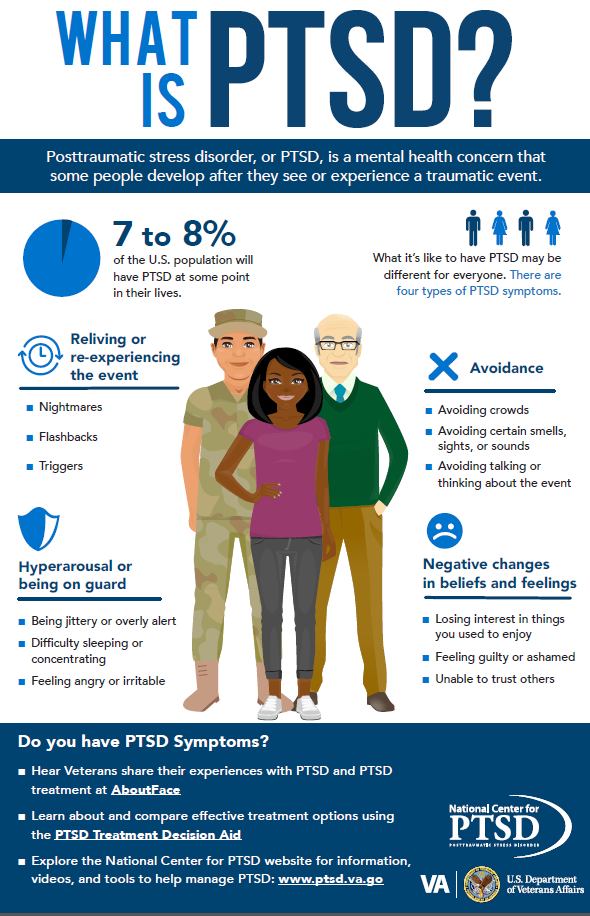
Sleep and Nightmares
Many veterans experience disrupted sleep, recurring nightmares, or trouble feeling safe enough to rest.
Triggers and Flashbacks
Sounds, smells, places, dates, or conversations can bring the body back into survival mode.
Isolation
Pulling away from people can feel protective at first, but isolation can deepen risk over time.
Support Works
PTSD can be treated. Peer support, VA care, counseling, crisis resources, and community connection can help.
Veteran suicide prevention starts before a crisis.
Suicide prevention is not only about emergency response. It is also about early outreach, trusted relationships, reduced isolation, practical support, and helping veterans reach the right resource at the right time.
Veteran PTSD Help supports a community-based prevention approach by helping veterans, service members, families, and caregivers recognize warning signs, reduce stigma, encourage help-seeking, and connect with trusted support.
Connection can be protective
Veterans who feel seen, heard, and valued may be more likely to ask for help before things become unsafe.
A conversation, a check-in, a support request, or a connection to care can become an important next step.
Protective Connection
Connection is a protective factor. Veterans who feel less alone may be more likely to reach out sooner.
Resource Navigation
Families and veterans often need help finding the right next step: VA care, Vet Centers, crisis lines, housing support, recovery resources, or peer support.
Warning Sign Awareness
Changes in mood, isolation, giving away possessions, increased substance use, hopelessness, or talk of being a burden should be taken seriously.
Family and Caregiver Support
Suicide prevention includes families, caregivers, friends, and communities who may be the first to notice when a veteran is struggling.
Warning signs that may require immediate support
- Talking about wanting to die, feeling trapped, or being a burden.
- Withdrawing from family, friends, work, faith, or community.
- Increased alcohol or substance use.
- Giving away possessions or saying goodbye.
- Rage, reckless behavior, hopelessness, or sudden severe mood changes.
- Searching for ways to self-harm or access lethal means.
Peer support helps veterans take the next step.
Veterans often open up differently with someone who understands military culture, trauma, transition, and the pressure to keep things inside.
Peer support is not therapy and does not replace clinical care. It can help veterans feel less alone, build accountability, ask for help sooner, and connect to resources that fit their situation.
- Shared understanding: military culture, transition stress, and trauma are understood without long explanations.
- Encouragement: veterans can talk honestly without shame or judgment.
- Accountability: steady check-ins can support safer choices and follow-through.
- Navigation: peers can help identify VA, crisis, housing, recovery, and community resources.
How support can begin
The first step does not have to be perfect. It just has to be honest.
Veteran PTSD Help encourages veterans and families to reach out early, especially when PTSD symptoms, isolation, depression, grief, relationship strain, substance use, or transition stress are getting heavier.
Reach Out
Use the secure support page to request help, ask a question, or explain what kind of support you are looking for.
Identify the Need
The concern may be PTSD symptoms, suicide risk, isolation, family stress, housing instability, recovery, or finding care.
Find the Next Step
The goal is connection to appropriate support, which may include crisis resources, VA care, Vet Centers, peer support, or community services.
Stay Connected
Ongoing connection, accountability, and follow-through can help reduce isolation and support safer outcomes.
Recovery, safety, and reconnection
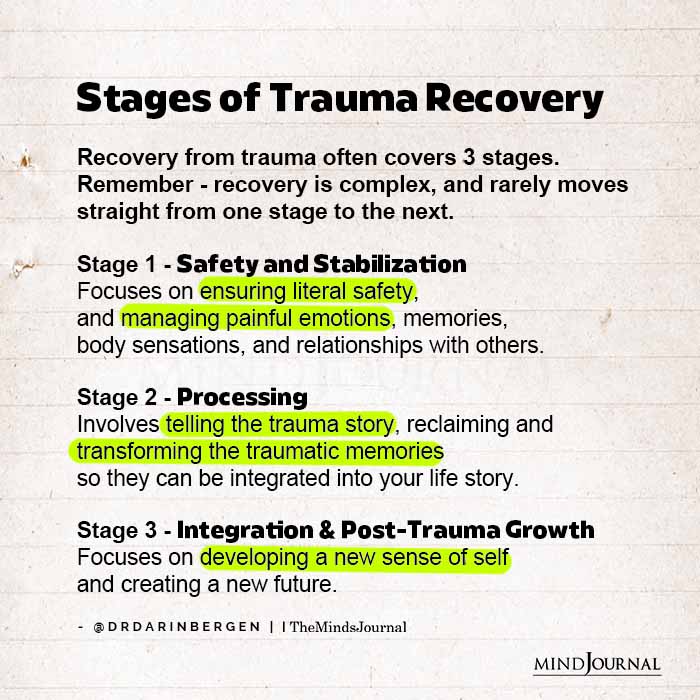
PTSD recovery is possible. For many veterans, healing begins with safety, honest support, and a plan for what to do when things get heavy.

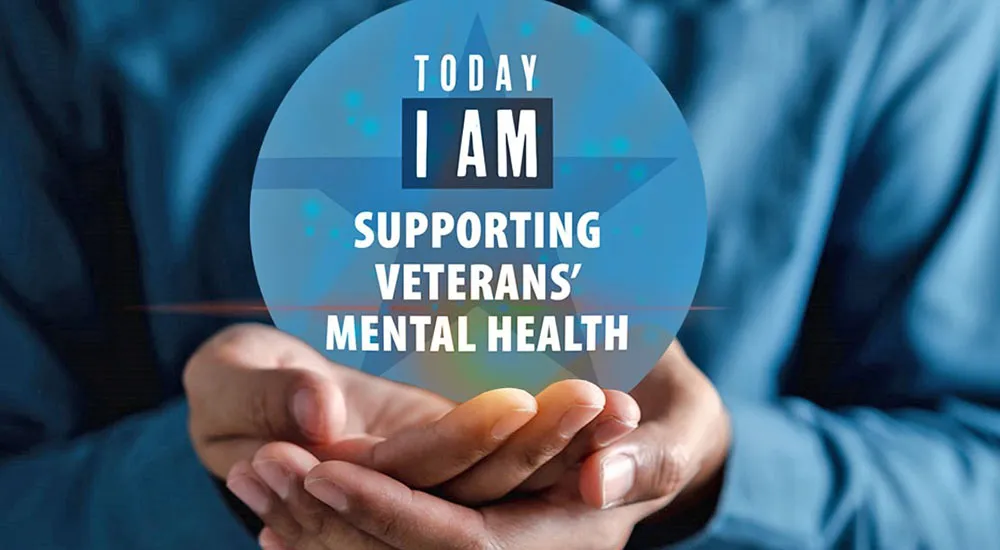
Veteran stories: hope, connection, and staying alive
These sample stories reflect common themes veterans share about PTSD, isolation, peer support, and asking for help.
"I finally told someone."
"I thought staying quiet was strength. Peer support helped me realize that telling the truth was the first step toward staying alive and getting help."
Marine Corps Veteran
"The check-ins mattered."
"It was not one big breakthrough. It was someone checking in, week after week, until I started believing I was worth the effort."
Army Veteran
"Connection changed the pattern."
"Isolation made everything worse. Once I had people I could contact before things got dark, I had a way out of the spiral."
Navy Veteran
Veteran PTSD and suicide prevention resources
These trusted resources can help veterans, service members, families, and caregivers find crisis support, PTSD tools, VA care, housing assistance, peer support, and mental health information.
Veterans Crisis Line
Call 988 and press 1, text 838255, or use online chat if you are a veteran in crisis or worried about one.
Visit Veterans Crisis LineVA Mental Health
Learn about VA mental health care, treatment options, and support for veterans and families.
Visit VA Mental HealthNational Center for PTSD
Evidence-based information about PTSD symptoms, treatment, self-help tools, and recovery stories.
Visit PTSD.va.govPTSD Coach App
A free VA mobile app with tools for managing PTSD symptoms, stress, sleep, and grounding.
Download PTSD CoachVA Location Finder
Find VA medical centers, Vet Centers, benefits offices, and other local services.
Find VA LocationsHomeless Veterans Help
Veterans who are homeless or at risk of homelessness can call 1-877-424-3838.
Learn MoreFrequently asked questions
Request support or ask a question
Whether you are a veteran looking for support, a family member worried about someone, a caregiver seeking resources, or a supporter who wants to help, use our secure contact page to reach out.
Request Confidential SupportWe aim to respond within 24 hours when possible. If this is urgent or life-threatening, call 911 or call 988 and press 1.
New veteran suicide prevention resources coming soon
Veteran PTSD Help will continue adding practical resources on PTSD, suicide prevention, peer support, transition stress, family support, recovery, housing stress, crisis-resource awareness, and finding local veteran services.
Page last reviewed: